
Delving into the world of Auto Insurance Quote Factors Most Drivers Overlook, this piece aims to shed light on crucial aspects often missed by drivers. Through a blend of informative insights and practical advice, readers are in for a compelling read that navigates the complexities of insurance quotes with ease.
Exploring the nuances of coverage types, personal factors, and the influence of vehicle details, this guide is your key to unlocking hidden savings in the realm of auto insurance.
Factors Most Drivers Overlook When Getting Auto Insurance Quotes
When obtaining auto insurance quotes, many drivers often focus solely on finding the lowest price without considering important factors that can impact their coverage and overall costs. Understanding the type and amount of coverage needed is crucial to ensure adequate protection in the event of an accident or other unforeseen circumstances.
Importance of Coverage Type and Amount
Determining the right type and amount of coverage is essential when getting auto insurance quotes. For example, liability coverage helps pay for damages and injuries caused to others in an accident, while comprehensive coverage protects against non-collision events like theft or natural disasters.
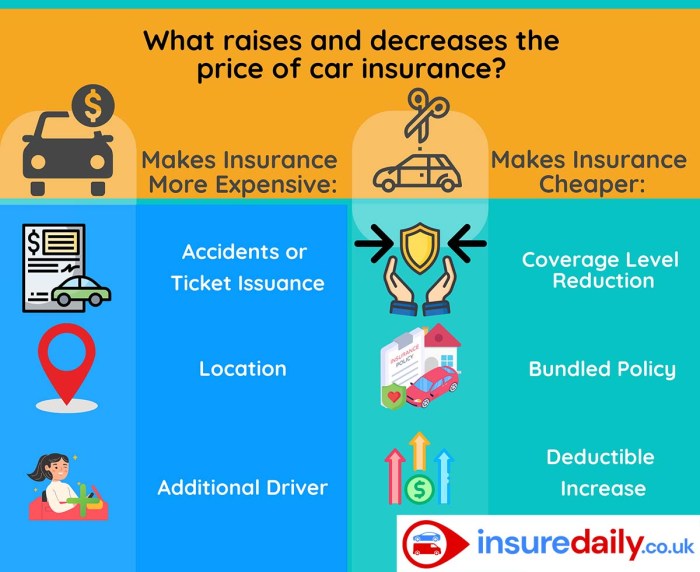
- Drivers should carefully consider their deductibles, which are the out-of-pocket costs they must pay before their insurance coverage kicks in. Opting for a higher deductible can lower monthly premiums but may result in higher costs if a claim needs to be filed.
- Coverage limits also play a significant role in determining the level of protection provided by an insurance policy. Drivers should assess their financial situation and potential risks to select appropriate coverage limits.
- Optional add-ons, such as roadside assistance or rental car reimbursement, are often overlooked but can provide valuable benefits in times of need. Drivers should evaluate these add-ons based on their individual needs and budget.
Impact of Personal Factors
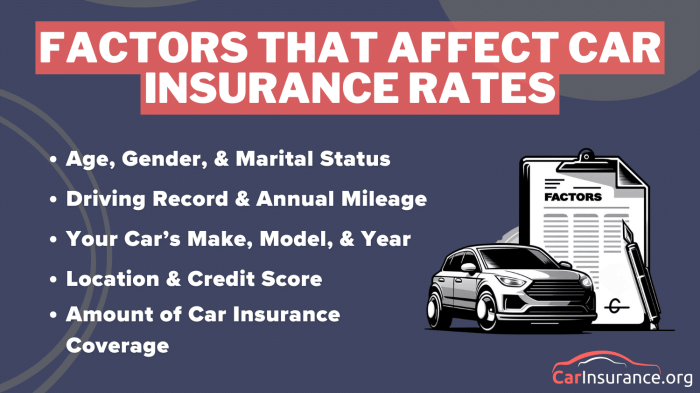
Personal factors like age, driving history, and credit score can greatly influence insurance rates. Younger drivers or those with a history of accidents may face higher premiums due to perceived higher risks, while drivers with good credit scores may be eligible for discounts.
- Age: Younger drivers under 25 and senior drivers over 65 may be charged higher premiums due to statistical data indicating higher accident rates in these age groups.
- Driving History: A clean driving record with no accidents or traffic violations can result in lower insurance rates, while a history of claims or tickets may lead to increased premiums.
- Credit Score: Insurers often use credit scores as a factor in determining rates, as individuals with higher credit scores are considered more financially responsible and less likely to file claims.
Importance of Comparing Quotes from Multiple Providers
When it comes to getting auto insurance, comparing quotes from multiple providers is crucial in order to find the best coverage at the most affordable price. Each insurance company uses its own unique formula to calculate premiums, taking into account a variety of factors.
By obtaining quotes from different providers, you can ensure that you are not overpaying for your coverage.
Tips for Effectively Comparing Quotes
- Consider discounts: Many insurance companies offer discounts for various reasons, such as having a clean driving record, being a student with good grades, or bundling multiple policies together. Make sure to inquire about these discounts when comparing quotes.
- Bundle policies: Bundling your auto insurance with other types of insurance, such as home or renters insurance, can often lead to significant savings. Be sure to explore this option when getting quotes from different providers.
- Review coverage options: It's important to compare not only the price of the premiums but also the coverage options included in each quote. Make sure you are comparing similar coverage levels to get an accurate picture of the value each provider offers.
Different Weight on Factors
It's worth noting that different insurance providers may weigh certain factors differently when calculating premiums. For example, one company may place more emphasis on a driver's age or vehicle make and model, while another may prioritize factors like driving history or credit score.
This is why obtaining quotes from multiple providers is essential to ensure you are getting a fair rate based on your individual circumstances.
Influence of Vehicle Type and Usage on Insurance Costs
When it comes to auto insurance costs, the type of vehicle you drive and how you use it can significantly impact the premiums you pay. Factors such as the make, model, age of the vehicle, as well as how you use it, all play a role in determining your insurance rates.The make and model of your vehicle can affect insurance premiums because some cars are more expensive to repair or replace, leading to higher insurance costs.
Newer cars with advanced technology and safety features may also come with higher premiums due to the increased cost of repairs
However, older cars may lack safety features that could lead to higher risks and potentially higher premiums.When it comes to vehicle usage, factors such as your commuting distance and purpose of use can also affect insurance rates. A car used for long daily commutes may have higher premiums than one used for occasional leisure drives.
Insurance companies consider the amount of time you spend on the road and the likelihood of accidents when calculating your rates.Moreover, safety features and anti-theft devices can play a crucial role in lowering insurance costs. Vehicles equipped with features like anti-lock brakes, airbags, and anti-theft systems are less likely to be involved in accidents or stolen, making them less risky to insure.
Insurers often offer discounts for having these safety features installed in your vehicle.
Impact of Safety Features on Insurance Costs
- Vehicles with advanced safety features like lane departure warning systems or adaptive cruise control may qualify for lower insurance rates due to reduced risk of accidents.
- Anti-theft devices such as alarms, immobilizers, and tracking systems can deter theft and lower the chances of your vehicle being stolen, leading to potential insurance discounts.
- Installing safety equipment like dash cams or front-collision warning systems can help you qualify for insurance discounts by demonstrating your commitment to safe driving practices.
Understanding the Fine Print and Exclusions in Insurance Policies
When it comes to auto insurance, understanding the fine print and exclusions in your policy is crucial. Failing to do so can lead to unexpected surprises and gaps in coverage when you need it the most.
Importance of Reading the Policy Details Carefully
It is essential to carefully read through your insurance policy to fully grasp what is covered and what is not. This will help you avoid misunderstandings and ensure that you are adequately protected in case of an accident or other unforeseen events.
- Take note of the coverage limits and deductibles to know how much you are responsible for in the event of a claim.
- Understand any specific conditions or requirements that you must meet to maintain coverage.
Common Exclusions That Drivers Might Overlook
There are certain exclusions in insurance policies that drivers often overlook, leaving them vulnerable in certain situations. Some common exclusions include:
- Lack of coverage for rental cars or roadside assistance, which may require additional policies or add-ons.
- Exclusions for certain types of damage or incidents, such as wear and tear, mechanical breakdowns, or intentional acts.
Significance of Understanding Insurance Terms
To make informed decisions about your coverage, it is essential to understand key insurance terms such as:
- Comprehensive coverage, which typically covers non-collision damage to your vehicle, such as theft, vandalism, or natural disasters.
- Liability limits, which determine the maximum amount your insurance will pay out for damages or injuries you are legally responsible for.
- Uninsured motorist protection, which helps cover your expenses if you are in an accident caused by a driver who does not have insurance.
Ending Remarks
In conclusion, understanding the often overlooked factors in auto insurance quotes can lead to significant savings and a more tailored coverage plan. By being informed and proactive, drivers can ensure they are well-equipped to make the best insurance decisions for their specific needs.
Common Queries
What are some common factors drivers overlook when getting auto insurance quotes?
Drivers often forget to consider deductibles, coverage limits, and optional add-ons when obtaining insurance quotes.
Why is it important to compare quotes from multiple providers?
Comparing quotes allows drivers to find the best rates and coverage options that suit their needs, potentially saving them money in the long run.
How does the type and usage of a vehicle impact insurance costs?
The make, model, age, and usage of a vehicle can all influence insurance premiums, with factors like safety features and anti-theft devices playing a role in lowering costs.
What should drivers pay attention to in the fine print of insurance policies?
Drivers should carefully review policy details, noting common exclusions like coverage for rental cars or roadside assistance, and understanding terms such as comprehensive coverage and liability limits.