
Exploring the realm of affordable auto insurance for urban and suburban drivers, this introduction sets the stage for an insightful discussion. From understanding the unique dynamics of urban and suburban driving environments to uncovering the factors that influence insurance rates, this guide aims to provide valuable information for drivers seeking budget-friendly coverage.
As we delve deeper into the specifics of coverage options and strategies to find the best insurance deals, readers will gain a comprehensive understanding of navigating the complex world of auto insurance in urban and suburban settings.
Introduction to Auto Insurance for Urban and Suburban Drivers
Urban and suburban driving environments present unique challenges and characteristics that can impact auto insurance rates for drivers. Urban areas are densely populated with higher traffic congestion, more frequent accidents, and increased risk of theft or vandalism. On the other hand, suburban areas typically have lower population density, less traffic, and lower crime rates.Auto insurance rates may vary for urban and suburban drivers due to these differences in risk factors.
Insurance companies consider the likelihood of accidents, theft, and other incidents when determining premiums. Urban drivers may face higher rates to account for the increased risks associated with city driving, while suburban drivers may enjoy lower rates due to the lower likelihood of accidents and theft.Finding cheap auto insurance tailored to urban and suburban settings is crucial for drivers looking to save money without sacrificing coverage.
By understanding the unique factors that impact insurance rates in these environments, drivers can make informed decisions to protect themselves and their vehicles while keeping costs affordable.
Factors Influencing Auto Insurance Rates

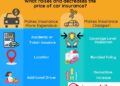
When it comes to determining auto insurance rates for urban and suburban drivers, several factors come into play. These factors can significantly impact the cost of insurance premiums and vary based on location, driving habits, and other risk factors.
Common Factors Affecting Auto Insurance Rates
- Age and driving experience: Younger and less experienced drivers tend to pay higher premiums due to increased risk.
- Vehicle type: The make and model of the car, as well as its safety features, can affect insurance rates.
- Driving record: A history of accidents or traffic violations can lead to higher premiums.
- Location: Urban areas may have higher rates due to increased traffic congestion and crime rates.
- Coverage options: The type and amount of coverage selected can impact insurance costs.
How Driving Habits Impact Insurance Premiums
In urban areas, drivers may face more traffic congestion, leading to a higher likelihood of accidents. This increased risk can result in higher insurance premiums for urban drivers compared to those in suburban areas. Additionally, the frequency of use of the vehicle and the purpose of driving (e.g., commuting or leisure) can also influence insurance rates.
Location-Based Risks and Insurance Costs
The location of where a driver lives can significantly impact insurance costs. Urban areas may have higher rates due to factors such as higher crime rates, higher chances of accidents, and increased vehicle theft. On the other hand, suburban areas may have lower rates due to less traffic congestion and lower crime rates.
Insurers take these location-based risks into account when determining insurance premiums for drivers in different areas.
Strategies to Find Affordable Auto Insurance
When it comes to finding affordable auto insurance, there are several strategies that urban and suburban drivers can employ to lower their insurance costs. Whether you live in a bustling city or a quiet suburb, these tips can help you secure a budget-friendly insurance policy.
Tips for Urban Drivers
- Consider usage-based insurance programs that track your driving habits and offer discounts for safe driving.
- Bundle your auto insurance with other policies, such as home or renter's insurance, to qualify for multi-policy discounts.
- Shop around and compare quotes from multiple insurance companies to find the best rates for your specific needs.
- Look for insurance companies that offer discounts for taking defensive driving courses or being a good student.
Discounts for Suburban Drivers
- Suburban drivers may be eligible for lower rates due to the lower population density and decreased risk of accidents compared to urban areas.
- Check with your insurance provider to see if you qualify for discounts based on your vehicle's safety features, such as anti-theft devices or airbags.
- Consider joining affinity groups or professional organizations that offer group discounts on auto insurance policies.
Comparing Online Resources, Insurance Companies, and Agents
Utilizing online resources can be a convenient way to compare different insurance options and find the most affordable rates. Websites like Compare.com, Insurance.com, and NerdWallet allow you to input your information and receive quotes from multiple insurers.
It's important to verify the credibility of online resources and ensure they are secure before providing any personal information.
Additionally, working with insurance agents who specialize in finding affordable coverage for urban or suburban drivers can help you navigate the insurance market and identify the best options for your specific situation.
Coverage Options for Urban and Suburban Drivers
Urban and suburban drivers have different needs when it comes to auto insurance coverage. Understanding the essential coverage options and finding the right balance between cost and coverage is crucial for both types of drivers.
Essential Coverage Options for Urban Drivers
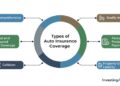
Urban drivers often face higher risks due to traffic congestion, theft, and vandalism. Therefore, they should consider the following essential coverage options:
- Liability Coverage: Protects against costs associated with injuries or property damage to others in an accident.
- Collision Coverage: Covers repair or replacement costs for your vehicle in case of a collision.
- Comprehensive Coverage: Provides coverage for non-collision incidents such as theft, vandalism, or natural disasters.
- Uninsured/Underinsured Motorist Coverage: Protects you in case of an accident with a driver who has insufficient or no insurance.
Coverage Plans for Suburban Residents
Suburban drivers often commute longer distances and may face different risks compared to urban drivers. Examples of coverage plans that suit the driving patterns of suburban residents include:
- Roadside Assistance: Provides help in case of breakdowns or emergencies on the road, which can be particularly useful for suburban drivers with longer commutes.
- Rental Reimbursement: Covers the cost of a rental car while your vehicle is being repaired after an accident, which can be beneficial for suburban drivers who rely heavily on their vehicles.
Balancing Cost and Coverage
When selecting insurance plans, it is essential to balance cost and coverage effectively. While it may be tempting to opt for the cheapest option, it is crucial to ensure that you have adequate coverage to protect yourself in case of an accident.
Consider factors such as your driving habits, the value of your vehicle, and the potential risks you face on the road. It is advisable to compare quotes from different insurers to find a plan that offers the right balance of affordability and coverage for your specific needs.
Comparing Insurance Providers
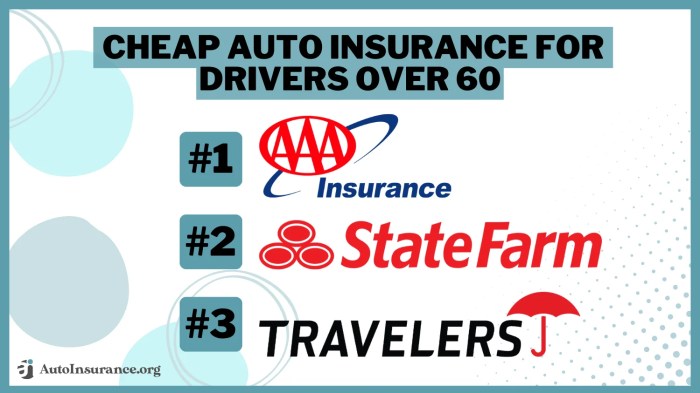
When looking for cheap auto insurance, it's essential to compare different insurance providers to find the best rates that suit your needs and budget. Here, we will delve into the comparison of insurance providers catering to urban drivers.
Insurance Providers Offering Cheap Rates
- State Farm: Known for competitive rates and various discounts for urban drivers.
- GEICO: Offers affordable premiums and convenient online tools for policy management.
- Progressive: Provides customizable policies and a user-friendly claims process.
Customer Satisfaction Ratings for Suburban Drivers
- Amica Mutual: Highly rated for customer service and claims handling for suburban drivers.
- USAA: Known for excellent customer satisfaction and exclusive benefits for military members and their families.
- Erie Insurance: Receives high marks for affordability and personalized service in suburban areas.
Benefits of Choosing Local vs. National Providers
When deciding between local and national insurance providers, urban and suburban drivers should consider the following:
Local Providers:
- Personalized Service: Local providers may offer more personalized attention and tailored policies to meet specific needs.
- Community Support: Supporting local businesses can contribute to the local economy and foster a sense of community.
National Providers:
- Financial Stability: National insurance companies often have greater financial resources and stability.
- Online Tools: National providers usually offer advanced online tools and mobile apps for convenient policy management.
Conclusion
In conclusion, finding cheap auto insurance for urban and suburban drivers is not just about saving money—it's about ensuring adequate coverage and protection on the road. By utilizing the strategies and information Artikeld in this guide, drivers can make informed decisions that align with their specific needs and driving habits.
Helpful Answers
What factors contribute to higher insurance rates for urban drivers?
Urban drivers often face higher rates due to increased traffic congestion, higher risk of accidents, and a greater likelihood of theft or vandalism.
Are there specific discounts available for suburban drivers to lower insurance costs?
Yes, some insurance companies offer discounts to suburban drivers based on factors like low crime rates in the area, safe driving records, and bundled insurance policies.
How can drivers balance cost and coverage when selecting insurance plans?
Drivers can achieve this balance by assessing their individual needs, considering the level of risk they face, and comparing different coverage options to find the most suitable and affordable plan.